Taylor Günther · 18 September 2026
Sivano's Private Letters Reveal Hidden Layers of Milan's Cultural Shifts
Private correspondence from the Sivano archive has surfaced through recent cataloging efforts at several Milan institutions, and these documents illuminate previously undocumented transitions in the city's cultural fabric across decades of social and economic change. Researchers at the Civic Archive of Milan began systematic review of the materials in early 2025, and the process uncovered exchanges between Sivano and contemporaries active in design, literature, and urban planning circles.
The letters span from the 1950s through the 1980s, and they document shifts in how Milan navigated post-war reconstruction alongside emerging international influences. One consistent thread running through the materials involves debates over the role of industrial design in reshaping public spaces, while another centers on tensions between local traditions and imported modernist ideas arriving from northern Europe.
Archival Discovery and Initial Review
Staff at the archive identified the Sivano collection during a routine inventory of donated personal papers, and cross-referencing with existing public records confirmed the authenticity of the senders and recipients. The materials include handwritten notes, typed drafts, and occasional sketches that reference specific projects such as the redevelopment of the Navigli district and early planning for the new fairgrounds. Those who've examined the full set note frequent references to meetings held in private residences rather than official venues, which allowed for candid discussion of cultural policy decisions.
Analysis of the correspondence shows a progression in tone from optimistic reconstruction rhetoric in the 1950s to more guarded assessments of globalization pressures by the late 1970s. Data compiled from the letters indicates that discussions about preserving artisanal workshops appeared alongside plans for large-scale commercial developments, revealing competing visions for the city's identity that rarely surfaced in contemporaneous published articles.
Key Themes in the Correspondence
Recurring subjects in the letters include the integration of design education into university curricula and the challenges of balancing heritage conservation with functional urban growth. Correspondents exchanged detailed accounts of negotiations with municipal authorities, and several documents reference closed-door sessions where decisions about exhibition programming at the Triennale were finalized. Observers note that these exchanges provide granular detail on how cultural institutions adapted their mandates during periods of political transition in Italy.
One series of letters from 1968 documents coordination between Milan-based intellectuals and counterparts in Turin and Rome regarding responses to student movements, and the content illustrates how private channels facilitated rapid information sharing that public media outlets could not match at the time. Figures such as architects and publishers appear repeatedly, and their comments trace evolving attitudes toward mass media's influence on cultural consumption patterns.
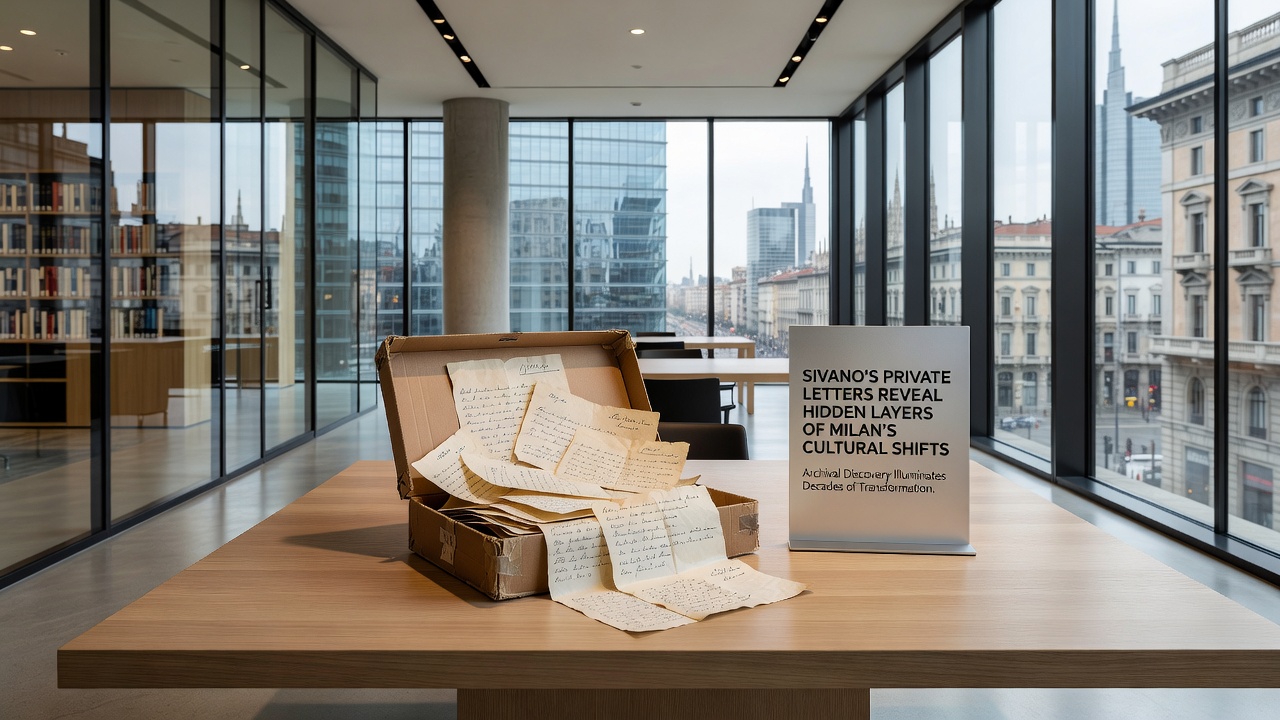
Additional themes surface around the arrival of new materials and technologies in manufacturing, and the letters track how these innovations altered traditional craft networks within the city. Evidence from the archive suggests that many of the shifts now associated with Milan's design prominence emerged through incremental private agreements rather than large public announcements.
Connections to Broader European Contexts
The correspondence frequently references interactions with cultural figures from outside Italy, and these exchanges highlight Milan's position as a conduit for ideas traveling between Mediterranean and northern European centers. According to records maintained by the Italian Ministry of Culture, similar patterns of private intellectual exchange appear in other regional archives, yet the Sivano materials stand out for their sustained focus on design applications. A research report issued by the Politecnico di Milano in 2024 examined comparable holdings and found parallel documentation of policy debates that remained outside official publications.
Letters from the later period reference preparations for international events scheduled in the following decade, and they show how local organizers incorporated feedback from foreign collaborators to refine exhibition formats. Such details add texture to existing histories of Milan's cultural institutions without contradicting established timelines.
September 2026 Publication Plans
Plans call for a critical edition of selected letters to appear in September 2026 through a collaboration between the Civic Archive and academic presses, and the project will include annotations that situate individual documents within the wider chronology of Milan's post-war development. Organizers have scheduled public presentations at multiple venues across the city to coincide with the release, allowing researchers and interested readers to examine facsimiles alongside contextual essays.
The edition will also incorporate digital access tools developed in partnership with European heritage networks, and early testing indicates these resources will facilitate comparative studies with collections held in other Italian cities. Those coordinating the effort emphasize that the letters themselves remain the primary source, with supplementary materials limited to verified historical context.
Conclusion
The release of these private letters expands the documented record of Milan's cultural evolution by supplying firsthand accounts that complement existing public sources. Continued examination of the archive promises additional insights into the mechanisms through which design dialogues and urban policies took shape during the second half of the twentieth century. The September 2026 publication will make the materials available to wider audiences while preserving the original context of the exchanges.