Yves Koch · 4 September 2026
Navigating Italy's Shifting Cultural Landscape Through Layers of Public Intellectual Exchange
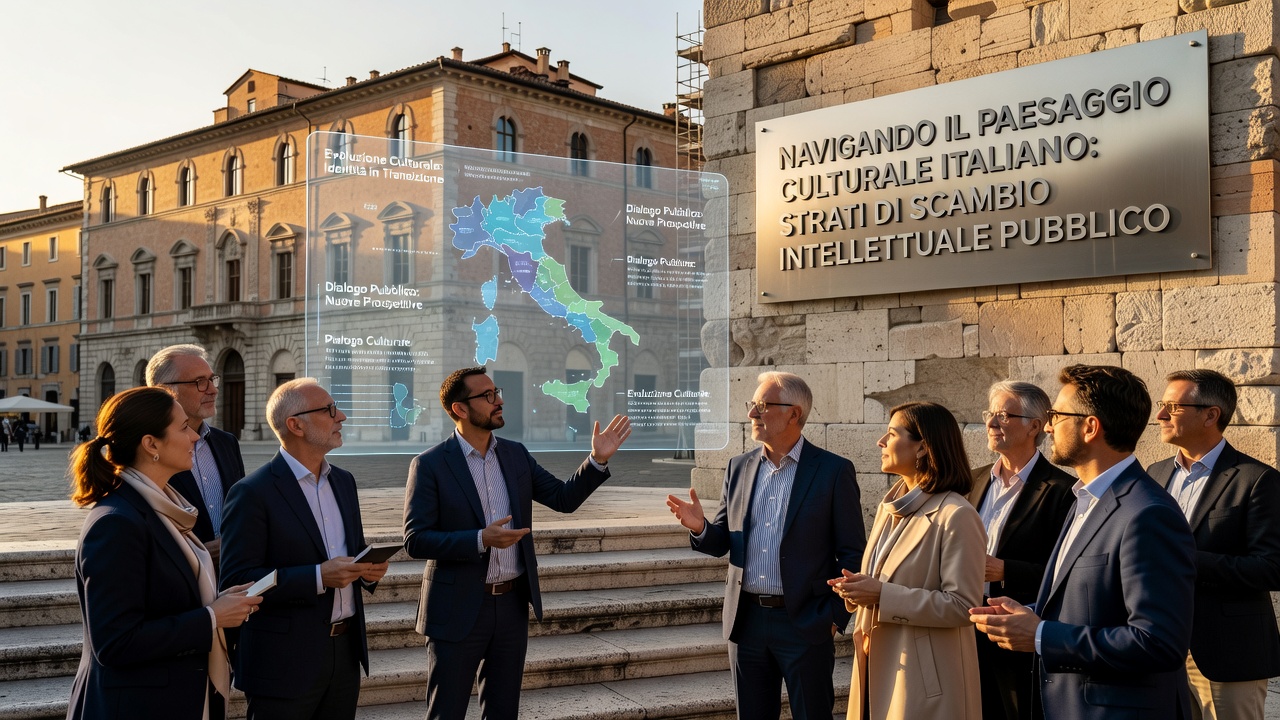
Italy's cultural landscape continues to evolve through ongoing public intellectual exchange that draws on centuries of debate in piazzas, universities, and media outlets while adapting to digital platforms and global influences. Researchers at institutions across the country track these shifts through participation rates in forums and analysis of discourse patterns that connect historical traditions with contemporary challenges such as migration integration and technological change. Observers note how these exchanges unfold in layered ways where Renaissance-era humanist traditions intersect with postwar reconstruction dialogues and current European Union policy discussions.
Historical Foundations of Public Discourse
Public intellectual exchange in Italy traces roots to ancient Roman forums and medieval university centers in Bologna and Padua where scholars presented arguments before crowds and rulers alike. Those early models established patterns of open debate that carried forward into Enlightenment salons and 20th-century literary circles. Data from the Italian Ministry of Culture shows consistent funding for heritage sites that host modern iterations of these gatherings and figures reveal steady attendance at events blending historical reflection with present-day analysis. And yet the transition to mass media in the postwar period expanded reach dramatically as radio broadcasts and newspaper columns became primary venues for intellectuals addressing national identity questions.
Contemporary Platforms and Participation Trends
Today's exchanges occur across television roundtables, academic conferences, and online comment threads where participants address topics from regional autonomy to climate adaptation strategies. Studies conducted by European cultural observatories indicate rising involvement from younger demographics through social media while traditional print outlets maintain influence among older audiences. One study revealed that hybrid events combining in-person attendance with live streaming reached over 2 million viewers during peak seasons according to metrics compiled by national broadcasters. But here's the thing: regional variations persist with northern cities emphasizing economic innovation themes whereas southern gatherings often focus on agricultural heritage and tourism sustainability.
Digital Layers and Global Intersections
Digital tools have added new dimensions to these conversations by enabling real-time contributions from diaspora communities and international scholars. Platforms host threaded discussions that reference both local archives and global research databases creating interconnected narratives about Italy's place in wider Mediterranean and European contexts. Evidence suggests participation spikes during election cycles and policy announcements when public intellectuals publish position papers that spark widespread commentary. What's interesting is how algorithms now shape visibility of certain viewpoints yet archival projects funded by the European Commission work to preserve diverse historical exchanges for future analysis.
Events Scheduled for September 2026
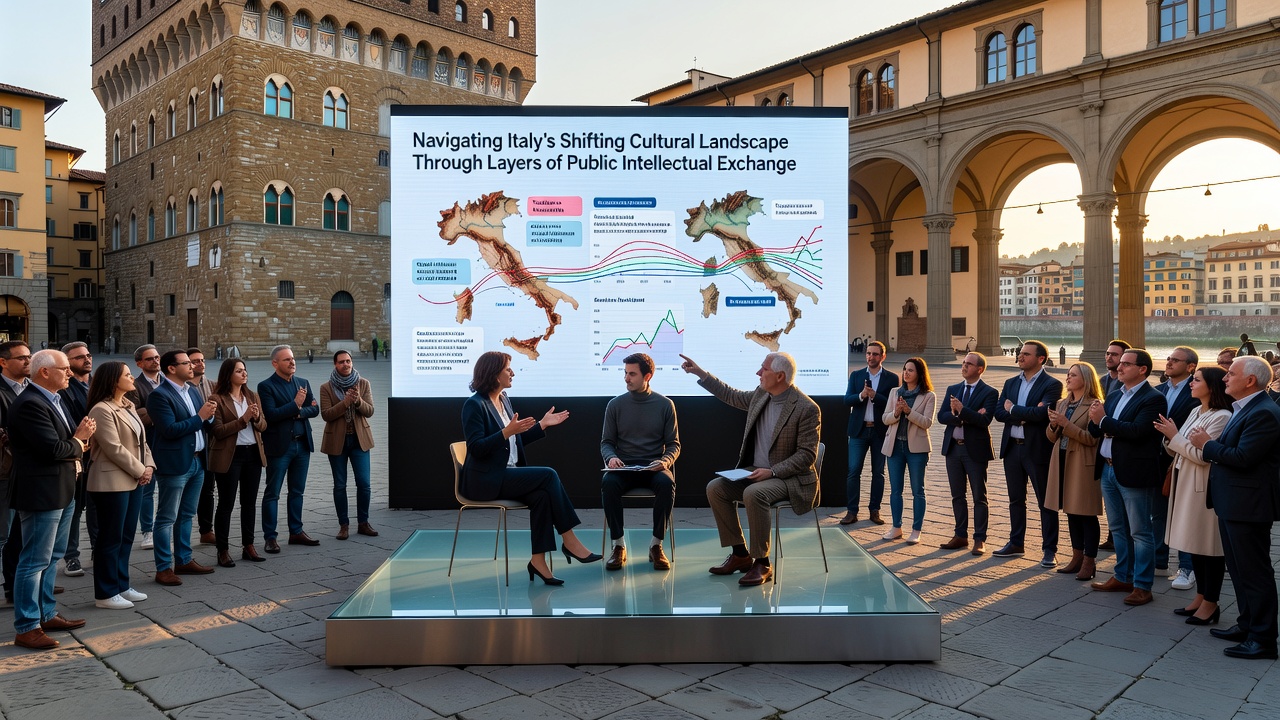
Preparations for major gatherings in September 2026 include a multi-city series coordinated by university networks and cultural foundations that will examine post-pandemic recovery through the lens of intellectual traditions. These sessions plan to incorporate data visualizations from recent demographic studies alongside live panels featuring historians and economists. Figures from past iterations show attendance growth of 15 percent year over year and organizers anticipate similar patterns as registration portals open early next year. Meanwhile regional governments allocate resources to support accessible venues and translation services that broaden participation beyond academic circles.
Role of Institutions and Media Outlets
Universities and think tanks serve as anchors for sustained dialogue by publishing working papers and hosting open lectures that invite public questions. National newspapers maintain dedicated cultural sections where columnists engage with reader responses and fact-check claims in subsequent editions. Academic sources such as those from the University of Melbourne's European studies program provide comparative data showing Italy's approach differs from Nordic models in emphasis on historical continuity. And so these institutional frameworks help maintain continuity even as individual voices rise and fade within the broader conversation.
Conclusion
Italy's public intellectual exchange operates through overlapping historical, institutional, and digital layers that together shape responses to cultural shifts. Data compiled by various governmental and academic bodies continues to document participation patterns while events planned for September 2026 extend these traditions into upcoming cycles. Observers track these developments through quantitative metrics and qualitative reviews that highlight both persistence and adaptation in how ideas circulate across the peninsula.