Taylor Günther · 30 October 2026
Italy's Design Circles: How Informal Exchanges Are Quietly Reshaping Sustainable Practices and Cross-Border Collaborations
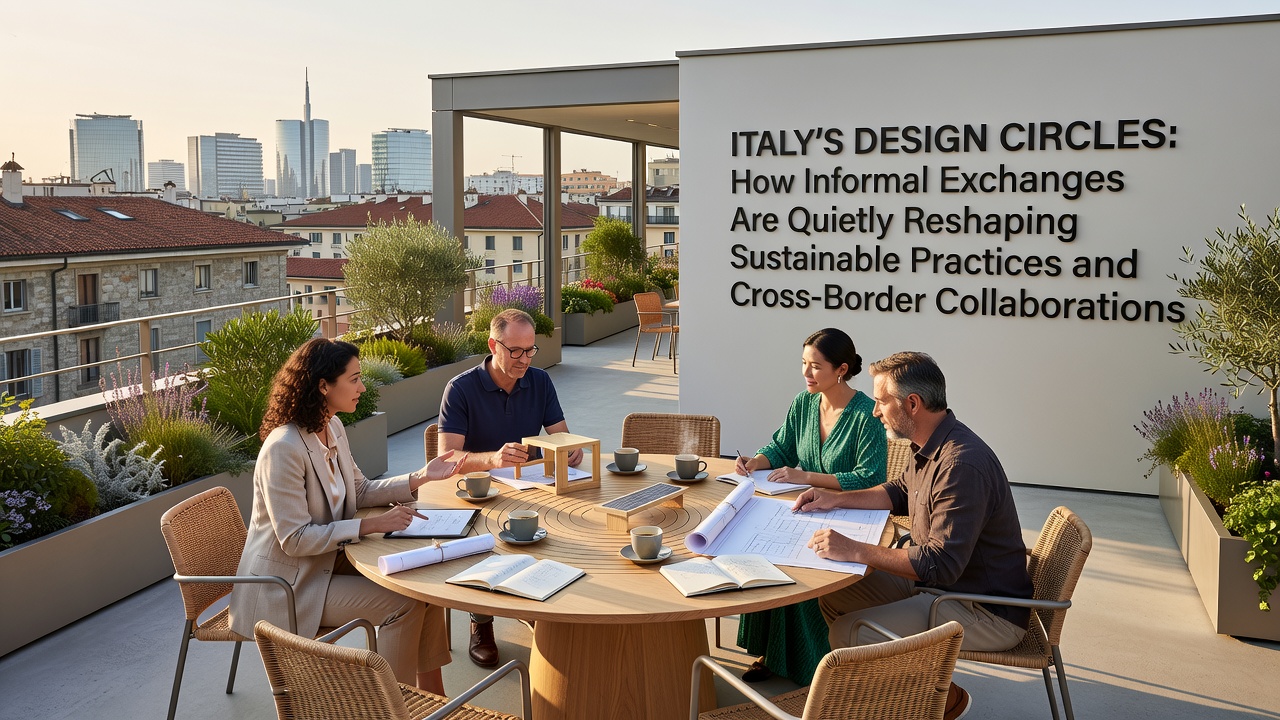
Italy's design landscape has long centered on established institutions and formal events, yet informal gatherings among practitioners have gained momentum in recent years as channels for advancing sustainable methods and international partnerships. These circles operate through regular meetings in studios, cafes, and shared workspaces across Milan, Florence, and Turin, where participants exchange ideas on material sourcing, waste reduction, and production techniques without structured agendas or official sponsorship.
Data from the European Environment Agency shows that collaborative approaches in design sectors have contributed to measurable shifts in resource efficiency across EU member states, with Italy reporting increased adoption of recycled composites in furniture and fashion accessories between 2023 and 2025. Observers note that these exchanges often begin with small groups discussing local challenges before expanding into joint projects that span multiple countries.
Networks Formed Through Routine Interactions
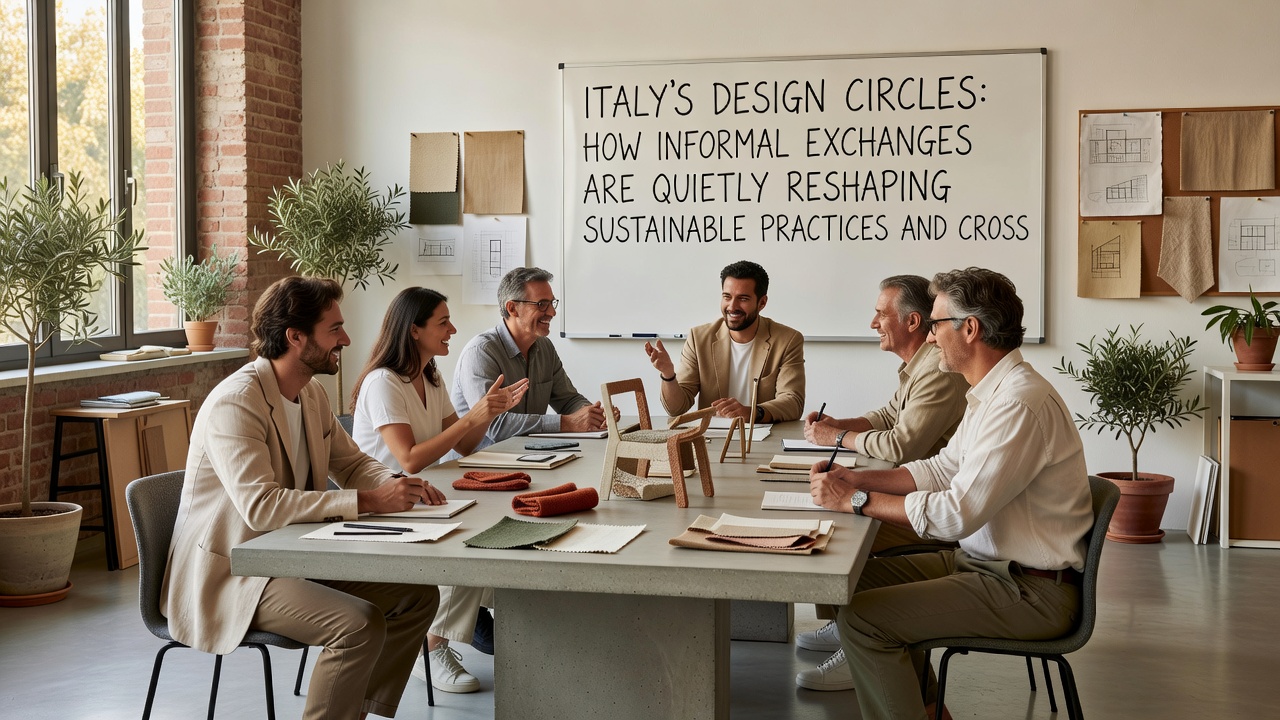
Practitioners describe how weekly sessions in converted industrial spaces allow for direct comparison of prototypes and supply chain adjustments. One Milan-based collective that started meeting in early 2024 has since coordinated material tests with partners in Germany and the Netherlands, leading to documented reductions in virgin plastic use during prototype development. Research conducted by the Politecnico di Milano indicates that such repeated contact correlates with faster iteration cycles on circular design principles compared to isolated studio work.
These patterns extend beyond the major cities, with similar arrangements documented in smaller centers like Bologna and Genoa. Participants frequently share contact lists and technical specifications during these sessions, which then feed into larger initiatives funded through regional innovation programs. Figures from Italy's Ministry of Culture reveal a steady rise in cross-regional design registrations that reference collaborative origins between 2022 and the present.
Integration of Sustainable Methods
Informal exchanges have accelerated the testing of bio-based alternatives and modular assembly systems that reduce end-of-life waste. In Florence, groups focused on leather goods have experimented with agricultural byproducts sourced from nearby farms, with results shared openly among attendees rather than protected through patents. This approach aligns with broader EU targets for a circular economy, where design choices directly influence downstream recycling rates.
Studies published by the Joint Research Centre of teh European Commission highlight how knowledge transfer through non-hierarchical channels supports compliance with updated eco-design directives scheduled for full implementation by late 2026. Data collected from participating firms shows measurable drops in energy consumption during manufacturing when techniques are refined through peer feedback loops.
Expansion Into Cross-Border Projects
Connections formed in these settings have led to joint applications for Horizon Europe grants and participation in design weeks held in Barcelona and Copenhagen. Italian teams have contributed expertise on regional material traditions while incorporating feedback on durability standards from Scandinavian collaborators. Records maintained by the World Design Organization indicate that Italian-led consortia increased their involvement in multi-country sustainability pilots by 18 percent from 2024 onward.
October 2026 events, including preparatory forums for the upcoming EU Design Policy Review, are expected to feature outputs from these networks, with preliminary agendas listing sessions on adaptive reuse strategies. Trade data compiled by the Italian National Institute of Statistics reflects growing export volumes of sustainably certified products to markets in North America and East Asia, often tied to partnerships initiated through these informal routes.
Documentation and Knowledge Preservation
Participants maintain shared digital repositories of meeting notes and test results, which occasionally surface in academic papers or industry reports. This practice preserves details that might otherwise remain unrecorded, supporting longitudinal analysis of how small adjustments scale into sector-wide changes. Universities in Turin have begun archiving select exchanges as case studies for graduate programs in industrial design.
Observers tracking these developments point to parallels with earlier Italian design movements that relied on personal correspondence before formalizing into recognized schools of thought. Current efforts emphasize traceability in material flows, with several circles adopting blockchain pilots to verify origins without centralized oversight.
Conclusion
Italy's design circles continue to evolve through consistent, low-profile interactions that link local experimentation with international frameworks. Evidence from agency reports and institutional records demonstrates their role in supporting sustainable material transitions and partnership formation, with activity levels projected to remain steady through the October 2026 policy milestones and beyond. These patterns underscore the contribution of unstructured dialogue to broader industry adjustments across European borders.